
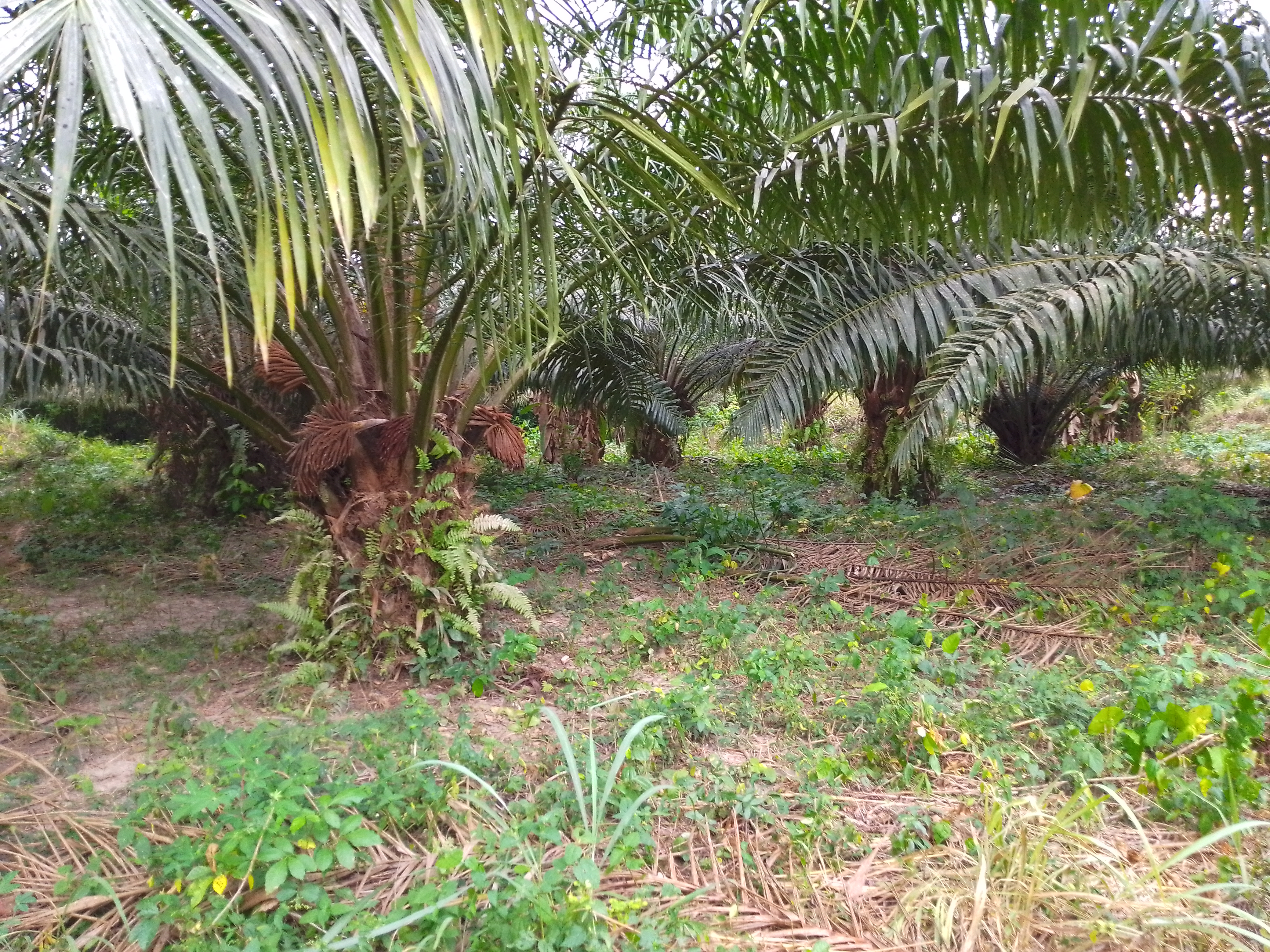
Oil palm is one of the important plantation crops in Ghana and plays a significant role in agriculture, rural livelihoods, processing and food production.
At Tefutor & Sons Limited, oil palm farming forms an important part of our agricultural activities. Our focus is on developing productive plantations while connecting primary production with harvesting, processing and markets.
Why Oil Palm Farming Matters
Oil palm provides raw materials for food products, edible oils, industrial applications and several value-added products. The crop can therefore create opportunities beyond the farm itself.
A well-managed plantation can provide regular production over many years once the palms reach productive maturity.
Establishing an Oil Palm Plantation
Plantation establishment requires careful planning. Important considerations include land suitability, planting material, field preparation, spacing, planting time and early maintenance.
1. Select Suitable Land
The land should have suitable soil characteristics, adequate moisture and good drainage. Access to the plantation is also important because harvested fresh fruit bunches need to be transported to processing facilities without unnecessary delays.
2. Use Quality Planting Materials
The quality of planting materials has a major influence on plantation performance. Farmers should obtain seedlings from reliable and properly managed sources.
3. Prepare the Field Properly
Land preparation, pegging and correct spacing help establish a plantation that can be managed efficiently as the palms grow.
4. Maintain Young Palms
Weed management, field sanitation, nutrition and protection of young palms are important during the establishment period.
From Plantation to Processing
Oil palm farming is only one part of the larger value chain. Harvested fresh fruit bunches can move from the plantation into processing, where valuable products such as crude palm oil can be produced.
This connection between farming and processing creates opportunities for value addition and agricultural enterprise development.
Opportunities for Farmers
Oil palm can support agricultural livelihoods through plantation development, harvesting, transportation, processing, trading and other related activities.
- Plantation establishment and management
- Production of fresh fruit bunches
- Palm fruit harvesting
- Transportation and aggregation
- Palm oil processing
- Value-added palm-based products
Our Approach at Tefutor & Sons Limited
We are building our agricultural activities around practical farming, plantation development, processing and market opportunities.
Our long-term objective is to contribute to a stronger agricultural value chain in Ghana while creating opportunities for farmers, workers, communities and business partners.
The Future of Oil Palm Agriculture
The future of oil palm farming depends not only on expanding plantations but also on improving productivity, responsible land management, efficient processing and stronger market connections.
Sustainable agricultural development requires a long-term approach in which farmers and agribusinesses can produce efficiently while creating value for consumers and communities.