
Why Agricultural Processing Matters
Agriculture does not end when crops are harvested. Processing plays an important role in transforming agricultural produce into products that can be stored, transported, marketed and consumed more effectively.
For farmers and agricultural businesses, processing can create opportunities to move beyond the sale of raw produce and participate in more stages of the agricultural value chain.
From Raw Produce to Value-Added Products
Many agricultural commodities can be transformed into products with additional market value. Depending on the commodity, processing may involve cleaning, sorting, milling, pressing, drying, packaging or other forms of transformation.
The right processing approach depends on the type of produce, available technology, quality requirements, target market and scale of operation.
Palm Oil Processing as an Example
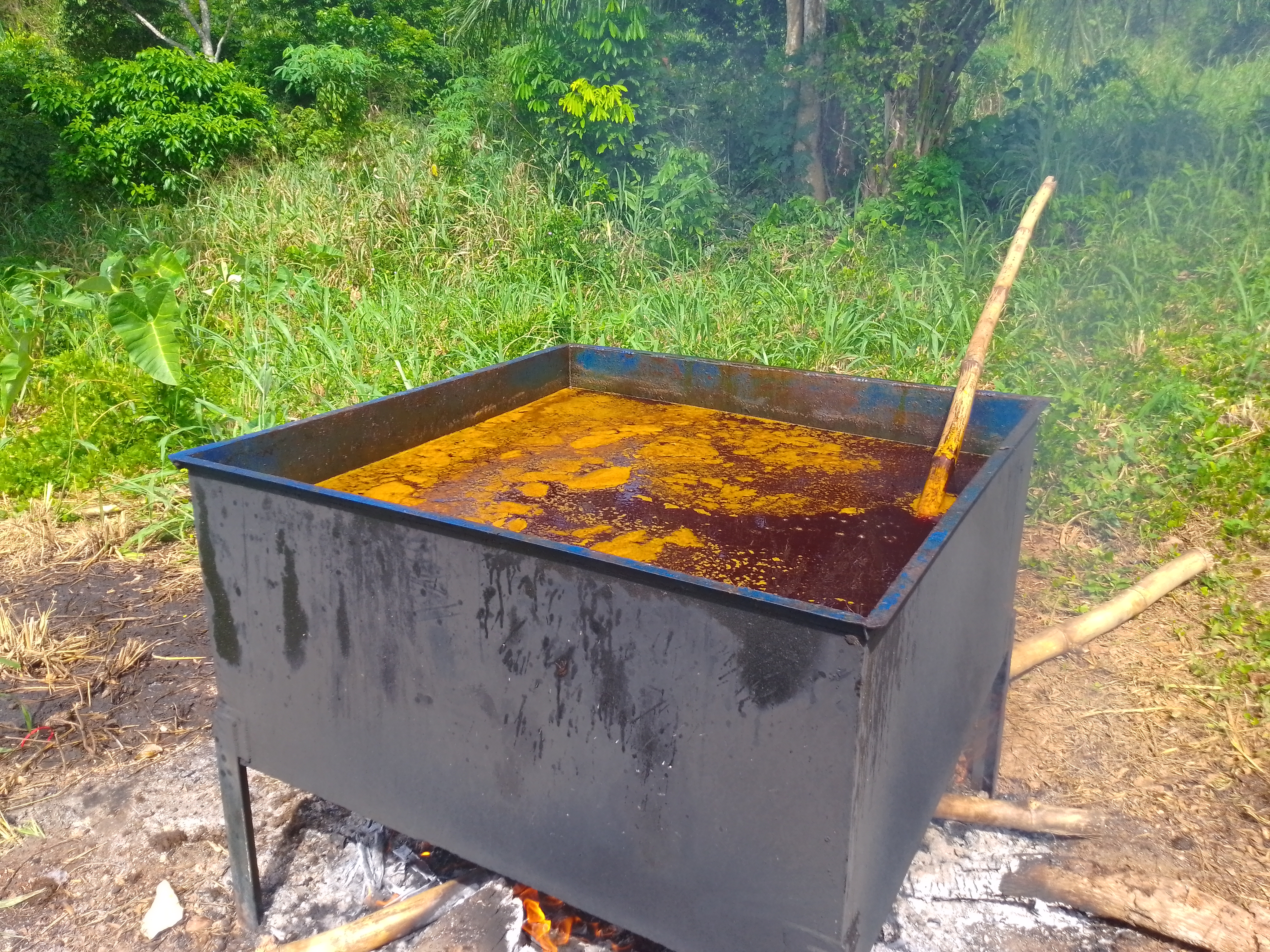
Oil palm provides a good example of how agriculture and processing can work together. Fresh fruit bunches harvested from the plantation can be processed to produce palm oil.
The process requires appropriate equipment, careful handling, good hygiene practices and proper storage to help maintain product quality.
Connecting oil palm plantations with processing facilities also creates a stronger relationship between primary production and value addition.
Reducing Post-Harvest Losses
Post-harvest losses can reduce the economic value of agricultural production. Timely handling and suitable processing can help farmers and businesses manage produce after harvest.
Depending on the commodity, processing and appropriate storage can help extend usability, improve marketability and create additional channels through which agricultural products can reach consumers.
Creating Jobs and Opportunities
Agricultural processing can create opportunities beyond the farm itself. Processing facilities may require workers and services related to transportation, equipment operation, maintenance, packaging, storage, marketing and distribution.
This makes value addition an important part of building stronger agricultural businesses and rural economic activity.
Important Considerations in Agricultural Processing
Quality Raw Materials
Good processing begins with good-quality agricultural produce. Proper harvesting, handling and transportation can influence the quality of the final product.
Appropriate Equipment
Processing equipment should be suitable for the commodity, production scale and intended product. Equipment selection can influence efficiency, consistency and operating costs.
Hygiene and Product Quality
Clean processing environments and proper handling procedures are important for maintaining product quality and protecting consumers.
Packaging and Storage
Appropriate packaging and storage can help protect processed products and support their movement through different markets.
Market Access
Processing should be connected to a clear market opportunity. Understanding customer needs, product requirements and distribution channels is important before investing heavily in processing capacity.
Our Approach at Tefutor & Sons Limited
At Tefutor & Sons Limited, we see agriculture as a complete value chain that connects farming, harvesting, processing, value addition and markets.
Our agricultural activities include oil palm cultivation, agricultural production and value-added processing, with the goal of creating practical opportunities across the agricultural sector.
Through FOSUA Palm Oil and our wider agricultural activities, we are working to strengthen the connection between primary agricultural production and finished products.
Building for the Future
The future of agriculture depends not only on producing more, but also on improving how agricultural products are handled, processed and brought to market.
Investment in responsible agricultural processing can help strengthen value chains, support businesses and create opportunities for farmers, workers and communities.
As agricultural production grows, value addition will remain an important part of building sustainable and commercially viable agricultural enterprises.