
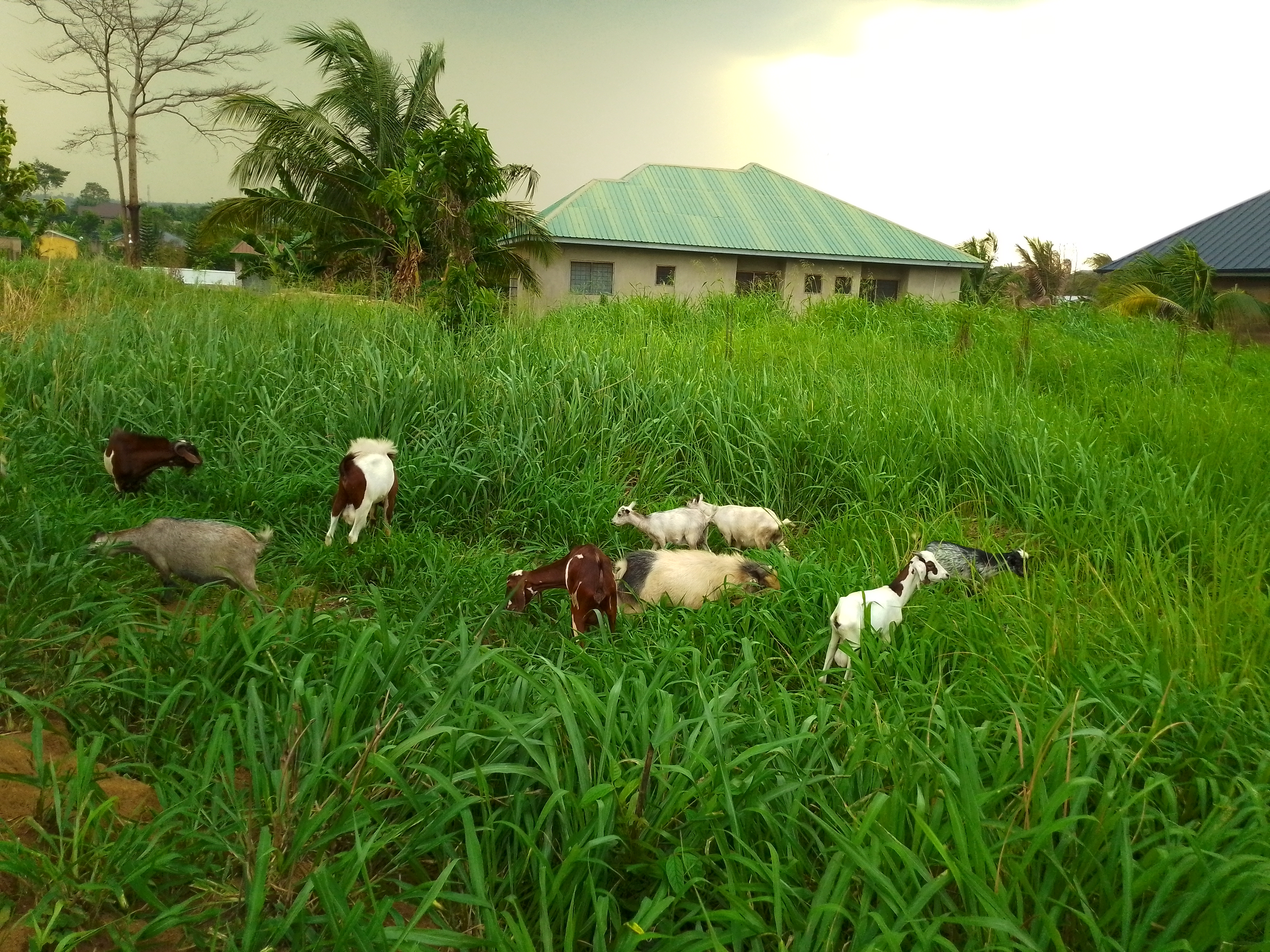
What Is Agricultural Diversification?
Agricultural diversification means developing more than one agricultural activity rather than depending entirely on a single crop, product or source of income.
Depending on the farm and its resources, diversification may involve combining crop production, livestock farming, processing, value addition and other agricultural enterprises.
Why Farmers Diversify
Farming is influenced by many factors, including weather, market conditions, production costs, pests, diseases and changing consumer demand.
Developing different agricultural activities can provide farmers with additional production and marketing opportunities while reducing dependence on a single enterprise.
Diversification should, however, be based on careful planning, available resources and realistic market opportunities.
Combining Crops and Livestock
Crop production and livestock farming can form complementary parts of an agricultural enterprise.
Depending on the farming system, crop residues and other agricultural materials may have uses within livestock production, while livestock activities can contribute manure and other resources to farm operations.
Proper management is important to ensure that each enterprise remains productive and does not compete unnecessarily for limited resources.
Oil Palm as a Long-Term Agricultural Enterprise
Oil palm is a plantation crop that can form an important part of a diversified agricultural business.
Once properly established and maintained, an oil palm plantation can produce fresh fruit bunches over many years, creating opportunities for harvesting, processing and marketing.
Oil palm can therefore be combined with other suitable agricultural activities as part of a broader farm development strategy.
Livestock Production
Livestock can also be an important component of agricultural diversification. Depending on the farmer's resources and location, enterprises may include goats, poultry and other livestock activities.
Livestock production requires appropriate housing, feeding, health management, breeding practices and good record keeping.
Careful management is essential because livestock production has its own costs, risks and technical requirements.
Adding Value Through Processing
Diversification does not have to stop at primary production. Processing agricultural products can create another level of value addition.
For example, oil palm fruit can be processed into palm oil, creating a connection between plantation farming and product development.
Other agricultural commodities can also be cleaned, dried, milled, packaged or otherwise processed depending on the product and market.
Building Multiple Agricultural Opportunities
A diversified agricultural enterprise can create opportunities across several parts of the value chain.
Production
Crops and livestock provide the foundation of the agricultural enterprise.
Processing
Processing can transform agricultural produce into products with additional market value.
Marketing
Effective marketing connects agricultural products with customers and distribution channels.
Logistics
Transportation and storage are important for moving agricultural products from farms and processing facilities to markets.
Planning Before Expanding
Diversification should not mean starting many enterprises without adequate resources or knowledge.
Before expanding into a new agricultural activity, farmers should consider land availability, water, labour, capital, technical knowledge, inputs, infrastructure and market demand.
Starting on a manageable scale and keeping accurate records can help farmers understand the performance of a new enterprise before committing additional resources.
Our Approach at Tefutor & Sons Limited
At Tefutor & Sons Limited, our agricultural activities extend across farming, oil palm production, processing, livestock and value addition.
Our approach is to build an interconnected agricultural enterprise where different activities can support the broader goal of creating sustainable agricultural opportunities.
We believe that agriculture can create value not only through production, but also through processing, marketing and the development of agricultural businesses.
The Future of Diversified Agriculture
Ghana has opportunities to develop stronger agricultural value chains by increasing production while also investing in processing, storage, logistics and markets.
Diversification can form part of this development by allowing agricultural businesses to participate in different areas of the value chain.
The key is responsible expansion, sound farm management and careful attention to the markets that agricultural products are intended to serve.